If you lead an organization, manage a team, or make decisions that affect business performance, ChatGPT explained in plain terms is something you need to understand not because it is a tech trend, but because it is already reshaping how work gets done, how decisions get supported, and what competitive advantage looks like in nearly every industry.
This is not a technical deep dive. It is a practical explanation of what ChatGPT is, what it can do, and what it means for leaders who want to stay ahead of it rather than get left behind by it.
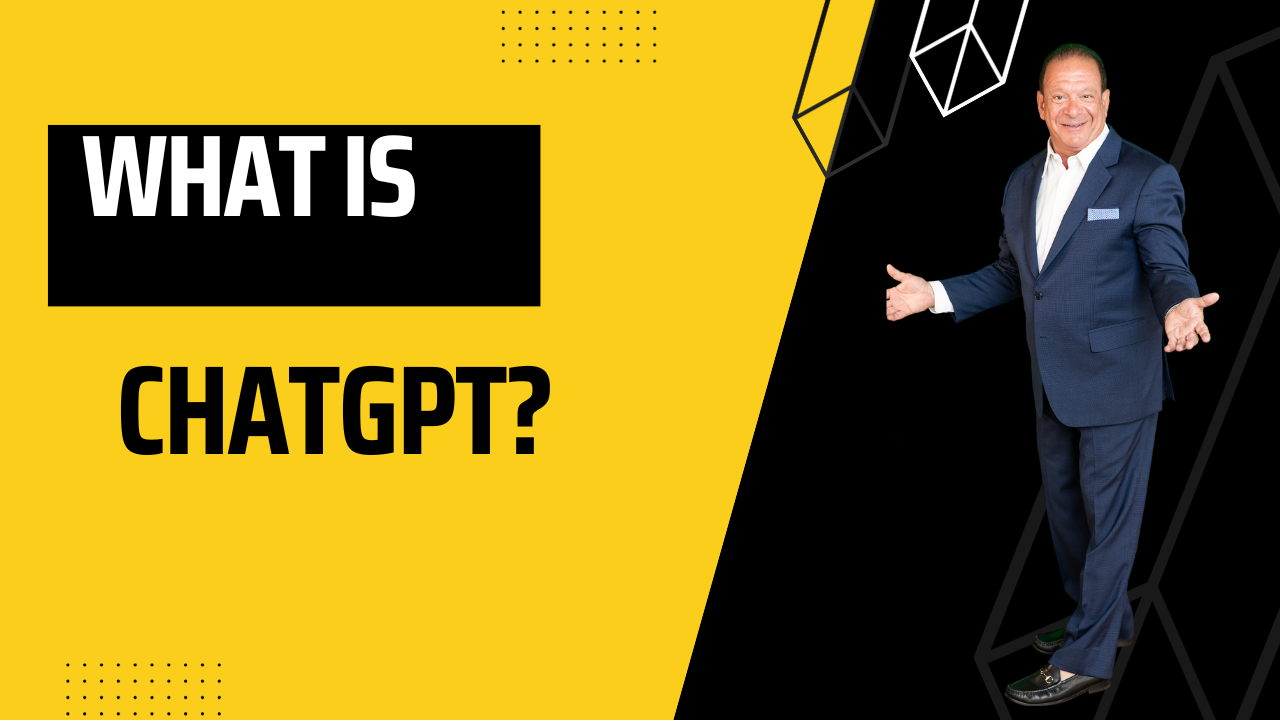
What Is ChatGPT?
ChatGPT explained at its most fundamental level: it is an artificial intelligence platform developed by OpenAI. It can understand and generate human language with a high degree of accuracy and contextual awareness. The name stands for Chat Generative Pre-trained Transformer which tells you something about the technology but very little about what matters for business leaders.
What matters is this: ChatGPT has been trained on an enormous volume of text data. This allows it to understand nuanced questions, generate coherent and contextually relevant responses. It can summarize complex information, draft written content, and engage in extended conversations that feel remarkably human. It does all of this in seconds.
For business leaders, this is not a curiosity. It is a capability shift that is already being deployed by competitors, clients, and team members whether you are aware of it or not.
What ChatGPT Can Actually Do for Business
Content Creation and Communication
One of the most immediate applications of ChatGPT for organizations is content creation. The platform can draft articles, reports, emails, proposals, social media posts, and training materials at a speed and consistency that no human team can match at scale. This does not replace human judgment, voice, or expertise. However, it dramatically reduces the time and resources required to produce a first draft of almost any written deliverable.
Customer Service and Support
ChatGPT’s ability to understand natural language queries and generate relevant, accurate responses makes it a powerful tool for customer service applications. Organizations are already deploying AI-powered chatbots and virtual assistants built on this technology to handle routine customer inquiries, freeing human teams to focus on complex or high-value interactions. The result is faster response times, greater consistency, and lower operational cost.
Research and Analysis
For leaders and teams that deal with large volumes of information such as legal, financial, medical, It’s perfect. ChatGPT can summarize, translate, classify, and synthesize text data far faster than human researchers. This does not replace expert judgment but it significantly accelerates the information-gathering phase of decision-making.
Language Translation and Global Communication
For organizations operating across markets and languages, ChatGPT’s translation capabilities remove friction from global communication. Documents, communications, and content that previously required professional translation services can be processed at a fraction of the cost and time.
Creative and Strategic Applications
Beyond operational uses, ChatGPT is being applied to ideation, strategy development, training design, and scenario planning. Its ability to generate novel combinations of existing concepts makes it a useful thinking partner for leaders working through complex problems or exploring new directions.
What ChatGPT Means for Leadership
The leaders who will navigate the AI era most effectively are not the ones who understand the technology most deeply. They are the ones who understand what it changes about how organizations function and what it does not change.
ChatGPT and AI tools broadly do not replace the need for human judgment, ethical reasoning, relationship-building, or the ability to inspire and develop people. As we explored in our article on the difference between a leader and a boss, the highest-leverage leadership behaviors are fundamentally human and AI amplifies them rather than replacing them.
What changes is the baseline expectation. Leaders who embrace these tools thoughtfully will make better decisions faster. They produce more with fewer resources, and free their teams to focus on work that genuinely requires human capability. Leaders who ignore them will fall progressively further behind organizations that do not.
What Every Leader Should Do Right Now
You do not need to become a technical expert in AI to lead effectively in this environment. But you do need to develop what is increasingly called digital fluency a working understanding of what AI tools can and cannot do. In addition its crtical to evaluate and judge how to deploy them appropriately within your organization.
Start by using ChatGPT yourself. Spend time with it on real tasks drafting, research, summarizing, ideation. Develop a firsthand sense of its capabilities and its limitations. Then have an honest conversation with your team about where and how these tools can improve the clients experience. Collective output without compromising quality, accuracy, or the human elements are matter most to your clients and stakeholders.
The leaders who develop this fluency now will have a meaningful advantage over those who engage with it later. This is because the organizations building proficiency with these tools today are compounding that advantage every week.
Dr. Rick Goodman works with executives and leadership teams on the strategies, skills, and mindsets required to lead effectively in a rapidly changing business environment. To explore executive coaching, leadership workshops, or keynote speaking, visit rickgoodman.com or call 954-218-5325.