Why Motivational Leadership Is Reshaping the Modern Workplace
The rise of this leadership approach reflects deeper shifts in how people think about work, value contribution, and define success in organizations.
1. Work Is No Longer Only a Transaction
People increasingly expect their work to align with their values and to contribute to something meaningful. Leaders who can communicate purpose in an authentic way help teams see beyond tasks and metrics to the broader impact of their contributions.
2. Communication Is Plentiful, But Understanding Is Scarce
Organizations are flooded with messages—emails, dashboards, notifications—yet teams often remain misaligned. Leaders who adopt a motivational approach simplify the message and create shared language around goals and expectations. This is a central theme in the solutions-focused philosophy outlined in The Solutions-Oriented Leader.
3. Belonging Has Become a Performance Factor
Belonging, psychological safety, and connection now have measurable influence on innovation, retention, and productivity. Leaders who understand how to build environments where people feel seen and valued are better positioned to unlock discretionary effort. This idea is explored in The Hidden ROI of Belonging: Building a Symphony of Talent in the Workplace
4. Complexity Requires a Solutions-Oriented Mindset
As problems cross functional and geographic boundaries, linear problem-solving is not enough. Leaders need to cultivate curiosity and resilience in their teams, emphasizing questions like “What’s possible?” and “What’s the next step forward?” rather than “Who is to blame?”
How Motivational Leadership Integrates Into Daily Leadership Practice
The most impactful leadership work happens when ideas are integrated into daily behavior. Motivational leadership supports this integration by reinforcing core messages and modeling the mindsets leaders want others to adopt.
In this sense, motivational thinking is not separate from organizational strategy. It acts as connective tissue between the vision leaders articulate, the culture they cultivate, and the performance they expect.
What This Leadership Style Looks Like in Practice
When this approach takes root, it is less about a single charismatic figure and more about consistent patterns in how people interact. Some of the observable signs include:
- Clarity of direction: Teams understand where they are going and why it matters.
- Constructive challenge: People feel safe to question assumptions and share ideas.
- Shared ownership: Wins and setbacks are viewed as collective experiences, not isolated incidents.
- Forward focus: Conversations revolve around options and next steps rather than dwelling on what went wrong.
In environments like these, energy and engagement become outcomes of the culture, not just products of individual motivation.
How Motivational Leadership Drives Culture in Critical Moments
The influence of this leadership style shows up most clearly under pressure—during change initiatives, crises, or periods of accelerated growth. Teams used to working with supportive, future-focused leaders tend to:
- Respond thoughtfully instead of reacting impulsively
- Collaborate instead of retreating into functional silos
- Stay aligned with shared values and priorities
- Maintain perspective and momentum even when outcomes are uncertain
Over time, these patterns compound into a more resilient and adaptive culture.
Connecting Thought Leadership and Everyday Leadership
One of the ongoing challenges for organizations is translating big ideas into everyday practice. Leaders can bridge this gap by engaging with frameworks and tools that support consistent behavior, such as those found in Dr. Rick Goodman’s leadership insights.
In doing so, they turn concepts like culture, engagement, and mindset into practical levers they can use in one-on-ones, team meetings, and decision-making processes.
The Road Ahead for Motivational Leadership in Organizations
As organizations continue to evolve, leaders who can motivate, align, and empower will have a distinct advantage. The emphasis is shifting from purely mechanical management to an approach that recognizes the full human experience at work.
In that sense, motivational leadership in modern organizations is not a temporary trend. It is part of a broader movement toward cultures where clarity, connection, and contribution are central to how work gets done.
Key Takeaways
- Motivational leadership in modern organizations responds to shifts in how people view work, contribution, and success.
- It serves as a strategic catalyst—aligning people around purpose, behavior, and possibility.
- Its impact is visible in belonging, engagement, and solutions-focused thinking, especially during times of pressure and change.
- The future of leadership will favor those who combine strategic insight with the ability to motivate, connect, and inspire action.
About the Author
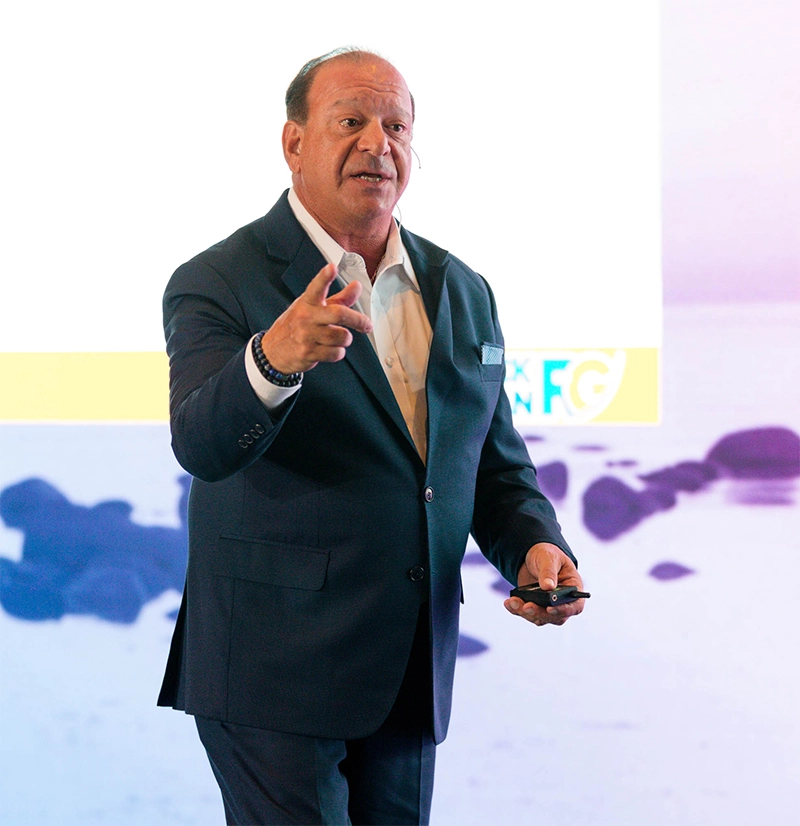
Dr. Rick Goodman is a global authority on motivational leadership, organizational culture, and solutions-oriented thinking. He has transformed teams in more than 30 countries and is the bestselling author of
The Solutions-Oriented Leader. His work helps leaders build cultures of belonging, accountability, and high performance.
Learn more at RickGoodman.com.